Cider by National Tradition
Cider by National Tradition
The best way to get a sense of cider’s range is to find a bottle of the traditional products from France, England, and Spain (particularly the Basque Country). Cider is made all over the world, but nowhere so particularly or peculiarly as in those countries. In those bottles you’ll find vivid illustrations of the way ciders are affected by both the apples they’re made from and the way they’re made. But remember, you need to find the traditional stuff—no Magners or Strongbow. Mass-market ciders won’t illustrate anything but what factory engineers can make with sugar, water, and apple juice concentrate.
ENGLAND
Cider is made all over the island, but principally in the west. Like so many things, England’s cider tradition begat America’s and still exerts the greatest influence on the new wave of cider-makers stateside. Americans are busy grafting Kingston Black, Yarlington Mill, Dabinett, and many other famous cider apples famous because they’ve been used for decades or centuries in Great Britain. During those long centuries and all the way to the present, farmers milled, pressed, and fermented their own apples, making a rustic cider sometimes called “scrumpy” . Traditional English cider balances sweetness with substantial tannic structure. Sometimes the tannins are so pronounced they produce flavors of Band-Aid or clove. About half are made with natural carbonation, and about half are still.
FRANCE
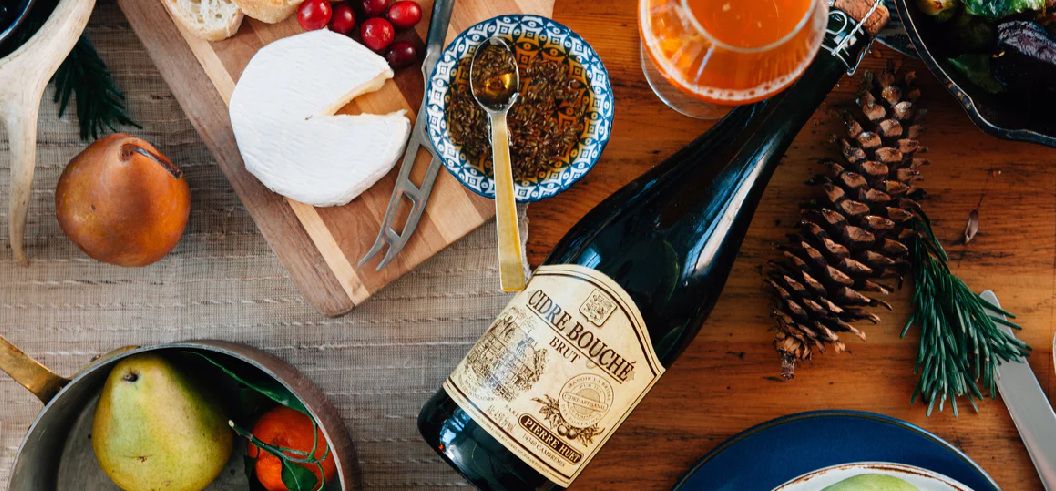
Cider is made in the northern regions of Brittany and Normandy, just across the English Channel from Britain’s famous cider country. An easy way to understand French cider? Think wine. Normandy and Brittany are far enough north that grapes don’t flourish there. Even the trees, which have to labor in the poor soil of the Pays d’Auge, don’t flourish but the hardship makes the apples more intense. The French have been making cider in these regions since the thirteenth century, and they have honed their techniques to produce exceptionally balanced products soft, effervescent, tannic, and sweet. Cider-makers use a technique called “keeving” that stresses the yeast, leaving a lingering sweet base to their low-alcohol ciders. But the bitterness that comes from those intense apples helps create ciders as complex as any grape wine made in parts south.
SPAIN
Cider is made in two obscure regions in the north, Asturias and the Basque Country. The most exotic cider in the world, Spain’s products bear a strong resemblance to the sour lambics of Brussels. Asturian cider is the more sedate of the two, with acid and sweetness balanced in relatively delicate harmony. Basque cider, by contrast, is nearly vinegar sour a gastronomic slap across the cheek. Fermented naturally with a greater proportion of tart apples than in either England or France, Spanish ciders also have layers of “funkiness” barnyard, cheese, and forest floor notes that come from wild yeast. Made completely still, locals use different techniques to “throw” or “break” the cider—pouring it at a great distance to rouse and aerate the subtle flavors and aromas. The tartness is a famously good companion for the salty local cuisine, where food and drink are enjoyed in lusty partnership.
These three constitute the most important expressions of the cider-making tradition brewed today. A great deal of the ciders being made in other countries at least nod in their direction, and some are explicit about their lineage. As cider-making evolves worldwide, however, there are others to keep an eye on. Germany has an ancient heritage of Apfelwein, centered around Frankfurt. Historically a simple product made with sweet apples, apfelwein is now growing up. Cider-makers are using more acidic and tannic fruit to produce sophisticated ciders that live up to their name as weins. North America is also ina moment of profound pardon me ferment, as new cideries open by the week. Modern cider-makers are taking a typically American approach. They’re looking back to history and resurrecting heirloom fruit full of tannin and acid, but they’re also looking forward, to the emphasis on local agriculture and artisanal.